


2026 Toyota CHR vs 2025 Nissan Ariya
Which Electric Crossover is Right for Phoenix Drivers?
The 2025 Nissan Ariya in Phoenix and its new rival the Toyota C-HR electric target the same buyers who want to go electric without sacrificing the higher seating position and cargo space that made crossovers popular in the first place. These two EVs are similarly sized, offer all-wheel drive capability, and come packed with the latest technology features that Phoenix drivers expect.
But beneath the surface similarities, these Arizona electric crossovers take notably different approaches to power delivery, charging infrastructure, and overall value proposition. For Arizona drivers who'll be navigating everything from stop-and-go traffic on the I-10 to weekend trips to Flagstaff, those differences could significantly impact the ownership experience.
Here's how the Toyota C-HR and Nissan Ariya stack up across the features that matter most for real-world driving in the Valley: power, capability, and personality.
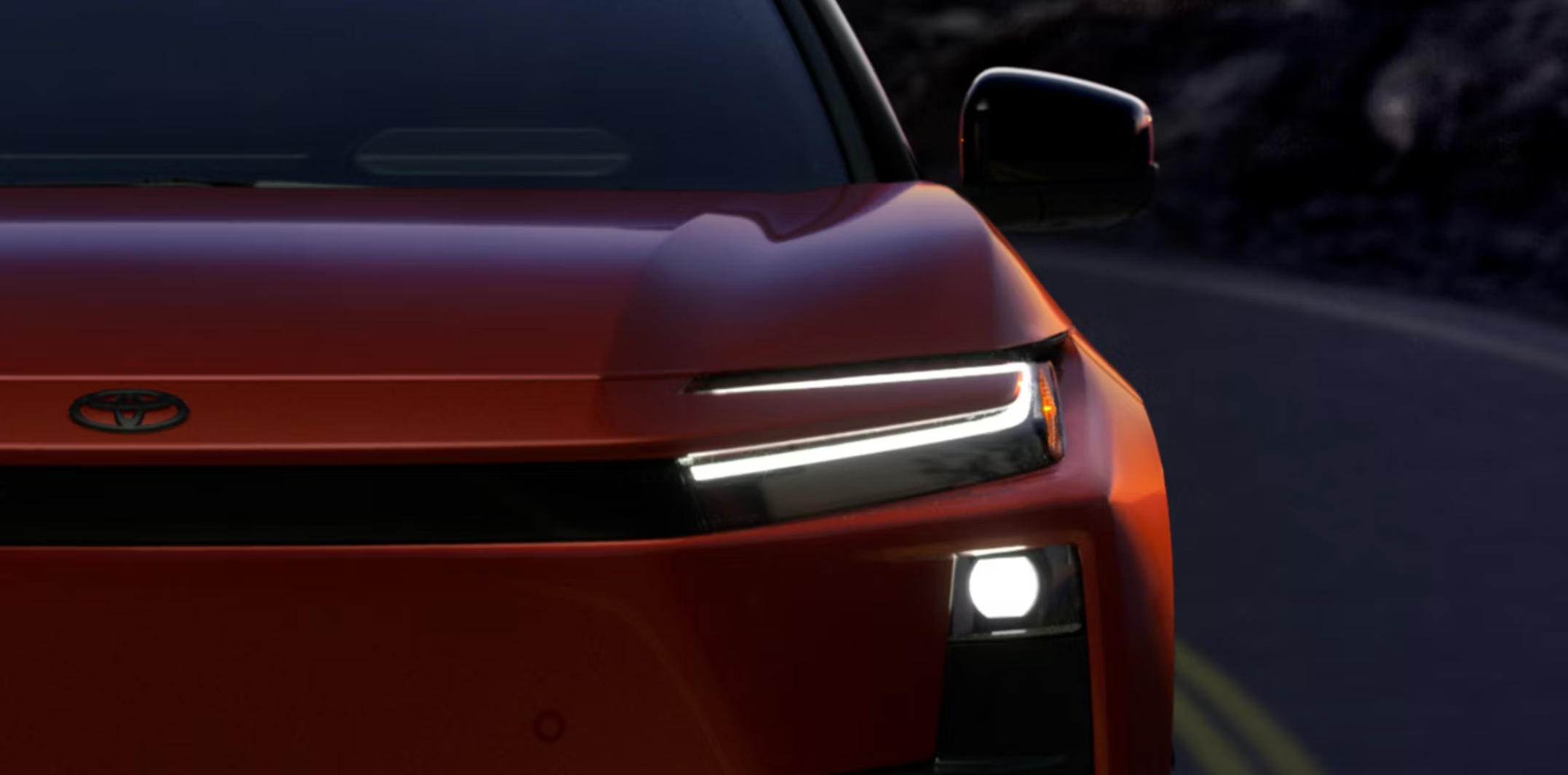
Performance & Power: A Clear Distinction
The most striking difference between these affordable electric vehicles becomes apparent the moment you press the accelerator. Toyota engineered the C-HR with serious electric performance, delivering 338 horsepower as standard equipment across all trim levels. This translates to genuinely quick acceleration – 0-60 mph in just 5.0 seconds – that puts the C-HR in legitimate sports car territory.
The Nissan Ariya takes a more varied approach to power delivery. The base front-wheel-drive model produces 238 horsepower, while the top-tier Platinum AWD trim jumps to 389 horsepower. However, that maximum power comes only in the most expensive configuration, and even then, the Ariya's 0-60 time ranges from 5.1 to over 7 seconds depending on which trim you choose.
What this means for Phoenix drivers is straightforward: the C-HR electric provides consistent, impressive performance regardless of which trim level fits your budget. Merging onto Loop 101 during rush hour or climbing elevation toward Sedona, you get the same responsive acceleration whether you choose the base model or top trim. You won’t get that right now at your Nissan dealer in Phoenix.
The Ariya's approach isn't necessarily wrong, but it does mean you'll need to carefully consider which trim level provides the performance you actually want – and be prepared to pay significantly more for the higher-output versions.
Range & Charging: Where the Real Differences Emerge
Both crossovers deliver respectable driving range, with the C-HR electric offering 290 miles on a full charge and the Ariya providing between 216-300 miles depending on battery and trim configuration. For most Phoenix-area driving, either vehicle provides enough range for several days of commuting or comfortable road trips throughout the Southwest.
But when it comes to charging infrastructure, the differences become more significant than the range numbers suggest. Toyota equipped the C-HR electric with the NACS charging port – the same connector used by Tesla vehicles. This single decision opens up access to over 12,000 Tesla Supercharger locations across North America, including extensive coverage throughout Arizona and the Southwest.
For Phoenix drivers, this represents a game-changing advantage. Instead of hunting for available CCS charging stations or dealing with multiple payment apps, C-HR owners can pull up to the most reliable fast-charging network in the country. The Plug & Charge functionality makes the experience even more seamless – just plug in and the payment happens automatically.
Meanwhile, the Phoenix Nissan Ariya uses the CCS charging standard, which limits owners to a smaller network of public charging stations. While CCS infrastructure continues to grow, the charging experience often involves more planning and occasionally, more frustration when stations are offline or occupied.
This charging advantage becomes particularly valuable during Arizona's peak travel seasons when popular destinations like Flagstaff, Sedona, or Rocky Point see increased traffic at charging stations.
Interior Technology & Practicality
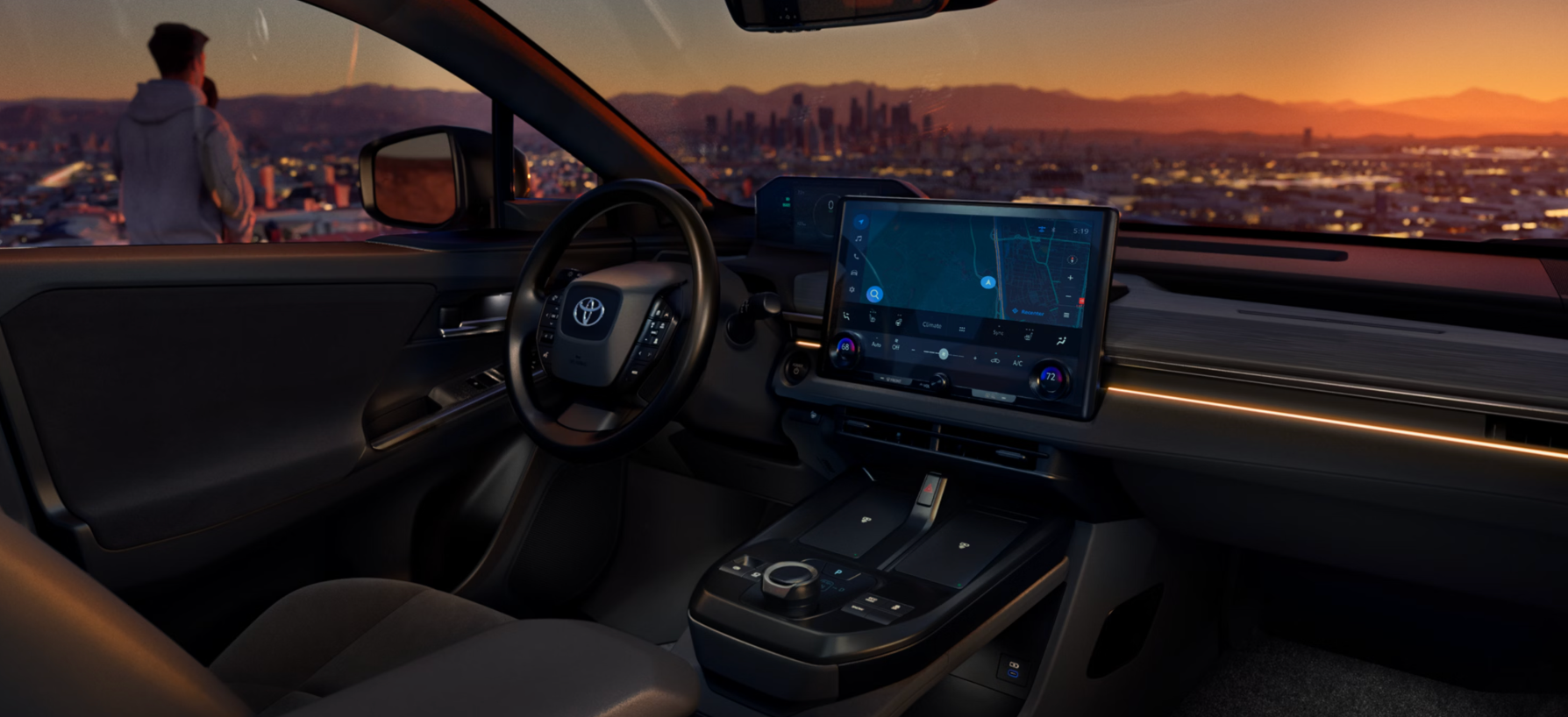
Both vehicles deliver modern, tech-forward cabins designed around large touchscreens and smartphone integration. The C-HR electric features a 14-inch touchscreen with Android Auto and Apple CarPlay, while the Ariya offers a 12.3-inch display with similar connectivity options.
The C-HR electric provides slightly more cargo space at 25.4 cubic feet compared to the Ariya's 22.8 cubic feet, plus the practical advantage of dual wireless charging pads for keeping multiple devices powered during daily driving.
Both offer premium audio systems – JBL in the C-HR, Bose in the Ariya – that deliver excellent sound quality for Phoenix's long commutes. Climate control systems in both vehicles include remote pre-conditioning, essential for surviving Arizona summers by cooling the cabin while the vehicle is still plugged in.
Drivers and their front seat passengers will appreciate dual wireless chargers in the C-HR, compared to the single wireless charger in the Ariya at your Phoenix Nissan dealer.
Value Proposition & Reliability Considerations
Toyota's approach to the C-HR electric reflects the company's reputation for engineering vehicles that prioritize long-term reliability and consistent performance. The comprehensive warranty coverage, extensive service network, and proven track record with hybrid technology provide confidence for buyers making the electric transition.
Nissan deserves credit as an electric vehicle pioneer with the Leaf, but the company's EV experience has included some well-documented challenges with battery degradation in hot climates – a particular concern for Arizona drivers. While the Ariya benefits from newer battery technology, Toyota's more conservative approach to EV development may result in better long-term ownership satisfaction.
The C-HR electric's standard all-wheel drive and consistent power delivery across trim levels also simplifies the buying decision. You don't need to upgrade to expensive trim levels to access the vehicle's full performance capability. Learn more in this 2026 Toyota C-HR Review.
Arizona-Specific Considerations
Phoenix's extreme summer temperatures present unique challenges for electric vehicles, from battery cooling to cabin comfort. Both vehicles include thermal management systems designed to protect batteries and maintain performance in high heat, but Toyota's reputation for engineering vehicles specifically for challenging climates provides additional confidence.
The C-HR electric's access to Tesla's Supercharger network becomes particularly valuable during peak travel seasons when other charging networks experience higher usage. Having more charging options means less range anxiety and more flexibility for weekend trips or longer travels.
The Bottom Line
Both the Toyota C-HR electric and Nissan Ariya represent solid entries in the growing electric crossover segment, but they appeal to different priorities. The Ariya offers more variety in trim levels and configurations, which some buyers will appreciate.
However, for Phoenix drivers who want consistent performance, superior charging infrastructure access, and Toyota's reputation for reliability, the C-HR electric presents a more compelling overall package. The combination of standard 338 horsepower, NACS charging compatibility, and Toyota's proven approach to vehicle engineering creates advantages that extend well beyond the initial purchase.
The charging network advantage alone could save hours of travel time and eliminate significant frustration over the years of ownership. When combined with the C-HR's performance consistency and Toyota's service network, these practical benefits make a strong case for choosing the C-HR electric over the Ariya.
Ready to experience the difference yourself? Schedule a test drive of the 2026 Toyota C-HR electric and discover how Toyota's latest electric crossover performs on Arizona roads.
REVIEWS
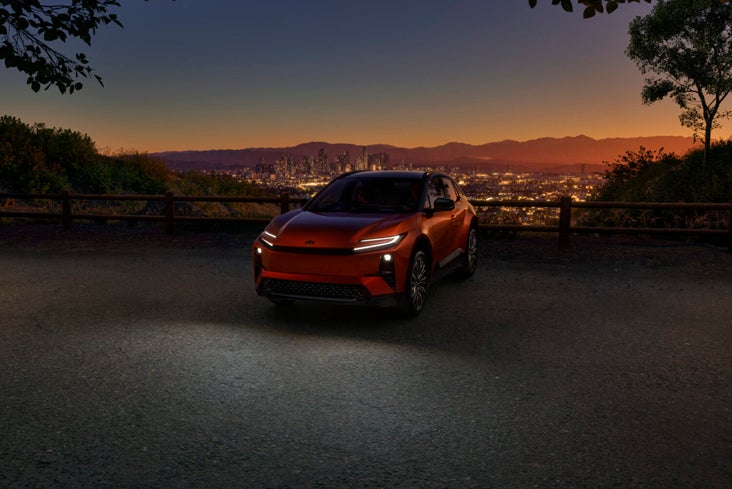
”How about zero to 60 mph in around 5 seconds, according to Toyota's stopwatch? That puts it in the same league as the Volvo EX30.”
Kelley Blue Book
Price(s) plus government fees such as Tax, Title & License. On all vehicles, actual vehicle sale price and payments may vary for various reasons - including but not limited to - applicable manufacturer rebates, special limited time offers, dealer incentives, government taxes, fees, buyer's credit qualifications, dealer installed accessories or market product (or vehicle) scarcity. Financing on approved credit. Must qualify for some offers. Some offers may not be available with special financing, lease and certain other offers.
Although every reasonable effort has been made to ensure the accuracy of the information contained on our website, absolute accuracy cannot be guaranteed. Dealer cannot be held liable for data that may be listed incorrectly. While we make every effort to ensure the data listed here is correct, there may be instances where some of the factory rebates, rates, incentives, options or vehicle features may be listed incorrectly as we receive data from multiple data sources. All vehicles are subject to prior sale. Not responsible for typographical errors. Equipment added by the dealer or the purchaser will increase the overall transaction amount.
Refer to our Privacy and User Consent for details about information we collect and various communication methods we will use to assist customers. By providing your contact information to ANY form contained in – or connected to – this website, you are hereby agreeing to receive text messages from this dealership and our affiliates or partners at the number(s) and/or information which you have provided. You are also expressly consenting to recurring contact from the aforementioned company or its business partners at the number you provided regarding products or services via live, automated or prerecorded telephone call, text message or email. You understand that your telephone provider may impose charges on you for these contacts, and you are not required to enter into this agreement/consent as a condition of purchasing property, goods, or services. You also understand that you may revoke this consent at any time by notifying the dealership in writing.
Max payload/towing estimate ratings shown. Additional options, equipment, passengers, and cargo weight may affect payload/towing weights. See dealer for details.